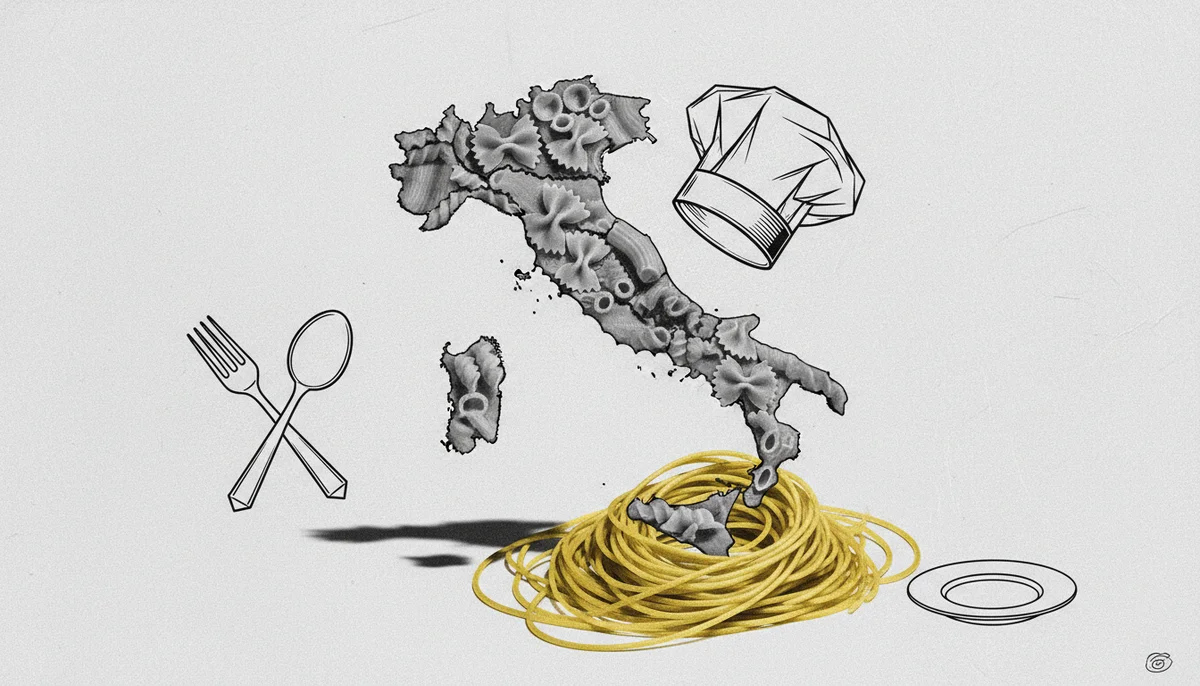
50 Best Italian Foods to Eat in Italy: The Ultimate Culinary Guide
Discover the 50 most iconic Italian foods to eat in Rome, from legendary pasta dishes like Carbonara to historic street food favorites like Supplì and Roman-style artichokes.
Discover the 50 most iconic Italian foods to eat in Rome, from legendary pasta dishes like Carbonara to historic street food favorites like Supplì and Roman-style artichokes.
The quintessential Roman pasta dish made with egg yolks, Pecorino Romano, guanciale, and black pepper, creating a silky sauce without any cream.
A deceptively simple masterpiece of thick tonnarelli pasta, sharp Pecorino Romano cheese, and toasted black pepper.
A robust sauce of tomato, crispy guanciale, and Pecorino Romano, traditionally served with long, hollow bucatini noodles.
Known as the 'white Amatriciana,' this dish features guanciale and Pecorino Romano but omits the tomato for a pure, salty flavor.
Fried rice balls with a tomato-ragu base and a mozzarella center that stretches like a telephone cord when pulled apart.
Jewish-style artichokes that are deep-fried twice until they look like golden sunflowers and taste like crispy potato chips.
Roman-style artichokes braised with garlic, herbs, and olive oil until tender and buttery.
Rectangular pizza by the slice, baked in pans and topped with everything from simple tomato to potato and rosemary.
A soft, sweet brioche bun split open and filled to the brim with freshly whipped unsweetened cream.
Veal cutlets lined with prosciutto and sage, then sautéed in white wine and butter—literally 'jumping in the mouth.'
A slow-cooked oxtail stew simmered with tomato, celery, cloves, and occasionally a hint of bitter cocoa.
Honeycomb tripe stewed in tomato sauce with fresh mint and topped with a generous dusting of Pecorino Romano.
Grilled suckling lamb chops meant to be eaten with your hands, even if they 'burn your fingers.'
Large fillets of salt cod dipped in a thick batter and deep-fried until golden and crunchy.
Savory, fatty, and moist boneless pork roast, heavily salted and seasoned with rosemary and garlic, often served in a panino.
Semolina-based dumplings, sliced into discs, layered with butter and cheese, and baked until a golden crust forms.
Zucchini blossoms stuffed with mozzarella and anchovies, battered and deep-fried into a light, airy snack.
A crisp winter salad made of chicory sprouts served with a pungent dressing of garlic, olive oil, and anchovies.
The classic thin and crispy round pizza of Rome, characterized by its cracker-like crust and lack of a high rim.
A modern Roman invention: a triangular pocket of pizza bianca bread stuffed with classic stews like chicken cacciatore or meatballs.
A rustic stew of chicken pieces and sweet bell peppers cooked with tomato and white wine.
A polarizing delicacy featuring the intestines of an unweaned calf, cooked in a tomato sauce so the milk inside forms a creamy texture.
A traditional tart from the Roman Jewish tradition filled with sweetened ricotta and tart sour cherries.
A seasonal spring stew celebrating fava beans, peas, and artichokes, often accented with guanciale.
A light pasta dish topped with a raw sauce of fresh tomatoes, basil, mozzarella, and olives.
Thin 'little rags' of beef quickly sautéed and often served on a bed of arugula with shaved Parmigiano.
A hearty, thick soup of pasta and chickpeas flavored with rosemary and a touch of anchovy.
Not to be confused with white pizza toppings; this is plain, salt-and-oil topped flatbread sold in bakeries by the piece.
Crispy fried croquettes made from shredded boiled beef leftover from traditional stocks.
A traditional dish of sautéed lamb offal (heart, lungs, liver) cooked with artichokes.
The first bread in Europe to receive IGP status, famous for its dark, crunchy crust and soft interior.
True artisanal Italian ice cream made with natural ingredients, distinct from commercial versions.
Grilled bread rubbed with garlic, topped with ripe tomatoes, basil, and extra virgin olive oil.
The quintessential May Day snack: fresh raw fava beans popped out of their shells and eaten with chunks of Pecorino Romano.
Thin slices of beef rolled up with a filling of carrots, celery, and prosciutto, simmered in tomato sauce.
Crispy bakery-style pizza topped simply with a thin layer of savory, herb-flecked tomato sauce and no cheese.
A deep-fried doughnut rolled in sugar and filled with thick pastry cream, a late-night Roman favorite.
Salt cod stewed with tomatoes, pine nuts, raisins, and often potatoes.
Romanesco broccoli sautéed with garlic, chili, and olive oil—the perfect 'contorno' (side dish).
Rome's traditional shaved ice, hand-scraped from a large block and topped with fruit syrups and fresh pieces of fruit.
The salty, pungent sheep's milk cheese that forms the backbone of almost every Roman pasta dish.
Bitter dandelion greens or chicory boiled and then sautéed with copious amounts of garlic, oil, and chili.
The ultimate Roman snack: fresh, warm pizza bianca sliced open and stuffed with thin layers of Mortadella.
The original version of what Americans call 'Alfredo,' featuring fresh egg fettuccine tossed with high-quality butter and Parmigiano-Reggiano.
The grilled version of calf intestines, charred on the outside while remaining creamy on the inside.
A 'messy' combination of all Roman pastas: carbonara and amatriciana mixed with sausage pieces.
Cured pork jowl, the essential fatty component that provides the flavor base for the four classic Roman pastas.
Tender boiled beef served with a green salsa or mustard, often found in traditional family-run eateries.
A favorite pizza topping combination in Rome featuring mozzarella, zucchini flowers, and salty anchovies.
Soft almond-based macaroons that are a staple in the surrounding Lazio region and popular in Roman sweet shops.
Disclaimer
This content may have been generated with the assistance of AI tools. While we strive for accuracy, please verify important information independently. If you notice any errors or have concerns, please contact us.
Archived for the Perpetual Record