20 Essential Items for the Ultimate Emergency Go-Bag Survival Checklist
Prepare for any disaster with this definitive checklist of 20 essential items for your emergency go-bag. Ensure your family's safety with timeless survival gear and supplies.
Prepare for any disaster with this definitive checklist of 20 essential items for your emergency go-bag. Ensure your family's safety with timeless survival gear and supplies.
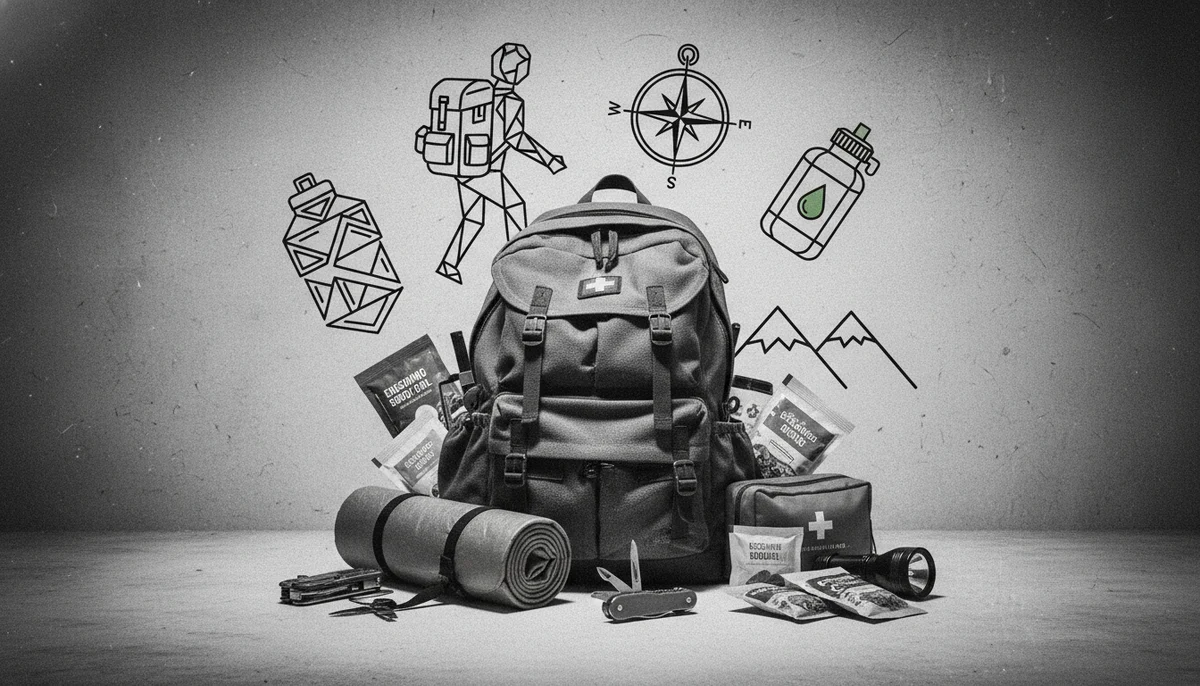
Store at least one gallon of water per person per day for drinking and sanitation. Use durable, BPA-free containers or sealed pouches that are easy to transport during an evacuation.
Pack a three-day supply of high-energy, lightweight foods such as protein bars, dried fruit, nuts, and canned goods that do not require cooking or refrigeration.
Include bandages, antiseptic wipes, antibiotic ointment, gauze, medical tape, and a first aid manual to treat minor injuries and prevent infections in the field.
A NOAA Weather Radio provides critical updates when cellular networks fail. Hand-crank models are ideal for long-term use without relying on external power sources.
Reliable lighting is essential for navigating dark environments. LED bulbs are preferred for their longevity and energy efficiency; always pack spare batteries in a waterproof bag.
A high-quality multi-tool containing pliers, wire cutters, a knife, and screwdrivers can assist with various repairs and survival tasks in an emergency situation.
Maintain health with moist towelettes, garbage bags, plastic ties, toilet paper, and travel-sized soap. Proper sanitation prevents the spread of disease during disasters.
These lightweight, compact space blankets reflect body heat and provide essential protection against hypothermia and harsh weather conditions while taking up minimal space.
Store copies of identification, insurance policies, bank records, and medical information in a sealed, waterproof bag to ensure they are protected from environmental damage.
A high-decibel whistle is more effective than shouting for signaling rescuers and requires less energy, making it a vital tool for being located in search and rescue operations.
N95 rated masks help filter out contaminated air, smoke, or dust that may be present following a structural collapse or natural disaster like a wildfire or earthquake.
Pack a complete change of clothes, including a long-sleeved shirt, long pants, and extra socks. Sturdy, closed-toe footwear is necessary for moving through debris safely.
Essential for accessing nutrition from canned food supplies when electricity and modern kitchen appliances are unavailable during a displacement.
Physical maps are indispensable if GPS and digital navigation tools fail. Familiarize yourself with evacuation routes and local landmarks ahead of time.
Ensure a minimum seven-day supply of essential medications. Regularly check expiration dates and rotate these supplies to maintain their efficacy.
Keep a fully charged external battery and compatible charging cables to maintain communication via mobile devices as long as cellular service is available.
In power outages, credit card machines and ATMs may not function. Small bills and coins are necessary for purchasing essential supplies or transportation services.
A reliable method for starting a fire is crucial for warmth, cooking, and signaling. Store matches in a waterproof container to ensure they remain functional.
These items allow you to 'seal the room' or create improvised shelters. Duct tape is also useful for temporary repairs to gear and clothing in the field.
Heavy-duty leather or synthetic work gloves protect hands from sharp objects, glass, and thermal hazards when clearing debris or setting up camp.
Disclaimer
This content may have been generated with the assistance of AI tools. While we strive for accuracy, please verify important information independently. If you notice any errors or have concerns, please contact us.
Archived for the Perpetual Record