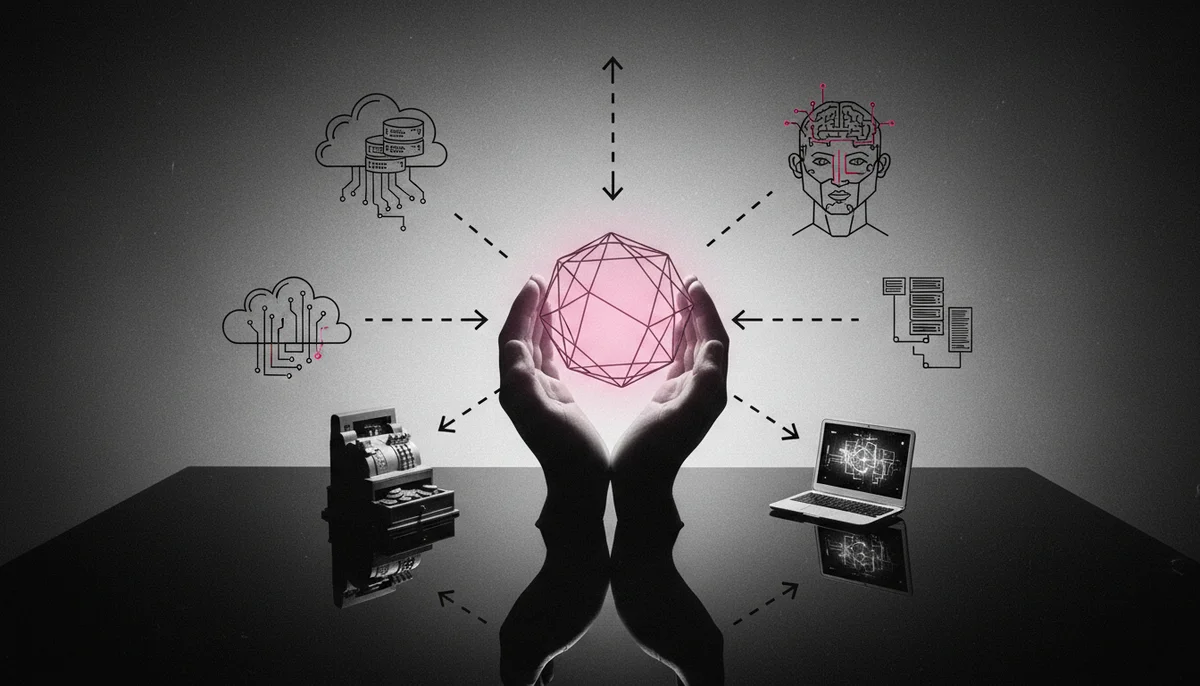
20 Most Timeless Human Skills to Future-Proof Your Career Against AI

Discover the essential human-centric skills that remain beyond the reach of artificial intelligence. From emotional intelligence to ethical reasoning, these 20 perennial capabilities ensure long-term career security and professional relevance.


20 Most Timeless Human Skills to Future-Proof Your Career Against AI
Archive_Ref_69677a
Verified Document — 2026
0%
Status
Share
  • 1.

    Emotional Intelligence

    The ability to recognize, understand, and manage your own emotions while empathizing with others remains a uniquely human trait that facilitates deep connection and conflict resolution.

  • 2.

    Complex Problem Solving

    While machines excel at logic-based calculations, humans are essential for navigating multifaceted challenges where variables are ambiguous and context is shifting.

  • 3.

    Ethical Reasoning

    Algorithms can follow rules, but they cannot weigh the moral implications of a decision or understand the nuanced concept of 'justice' in a societal framework.

  • 4.

    Strategic Visioning

    Defining long-term goals and a sense of purpose involves an intuitive leap of imagination and a deep understanding of human aspirations that data cannot replicate.

  • 5.

    Creative Storytelling

    True creativity is rooted in lived experience and cultural nuance. Storytelling that moves hearts requires an authentic human perspective and emotional depth.

  • 6.

    Critical Thinking

    The ability to objectively analyze information, detect bias, and question the source of data is more vital than ever when dealing with generated content.

  • 7.

    Adaptability and Resilience

    In an ever-changing landscape, the capacity to unlearn, relearn, and pivot during unexpected crises is a fundamental human survival and professional skill.

  • 8.

    Cross-Cultural Intelligence

    Navigating diverse perspectives and cultural sensitivities requires a level of empathy and social context that standardized algorithms often overlook.

  • 9.

    Negotiation and Persuasion

    Influencing others involves understanding unspoken needs, building trust, and finding common ground—activities that require high-level social intuition.

  • 10.

    Physical Dexterity in Unstructured Environments

    Fine motor skills in unpredictable settings—such as skilled trades, surgery, or nursing—remain incredibly difficult for robotics to master fully.

  • 11.

    Active Listening

    Giving full attention to a speaker and grasping the subtext behind their words creates trust and facilitates effective collaboration beyond simple data exchange.

  • 12.

    Teaching and Mentorship

    Guiding others through their growth journey involves tailoring feedback to an individual's psychology and providing motivation that only a human mentor can.

  • 13.

    Compassion and Caregiving

    In healthcare and social work, the 'human touch'—providing comfort and genuine emotional support—is a service that technology cannot truly provide.

  • 14.

    Aesthetic Judgment

    While AI can replicate styles, humans possess the innate taste and cultural sensitivity to determine what is truly beautiful or meaningful to our species.

  • 15.

    Common Sense Reasoning

    The intuitive grasp of physical reality and social norms that humans develop from infancy allows us to navigate everyday situations with ease.

  • 16.

    Public Speaking and Presence

    The ability to command a room, inspire an audience, and convey authenticity through physical presence remains a powerful tool for leaders.

  • 17.

    Collaboration and Teamwork

    Synergizing diverse talents and managing the interpersonal dynamics of a group is a complex social task that requires constant human adjustment.

  • 18.

    Conflict Resolution

    De-escalating tense situations and mediating between conflicting parties requires emotional nuance and the ability to find creative compromises.

  • 19.

    Inquiry and Curiosity

    AI answers questions, but humans ask them. The drive to explore the unknown and challenge the status quo is the engine of human progress.

  • 20.

    Wisdom and Discernment

    Synthesizing a lifetime of experience to make sound judgments in the 'gray areas' of life is a pinnacle human skill that defies simple computation.

Disclaimer

This content may have been generated with the assistance of AI tools. While we strive for accuracy, please verify important information independently. If you notice any errors or have concerns, please contact us.

More from the Ledger

Explore All

Archived for the Perpetual Record

No. 2025-LP-PIE|ADM_REF_IDX